

Preserving the past, protecting the future
Conserving Fournoi Underwater Cultural Heritage
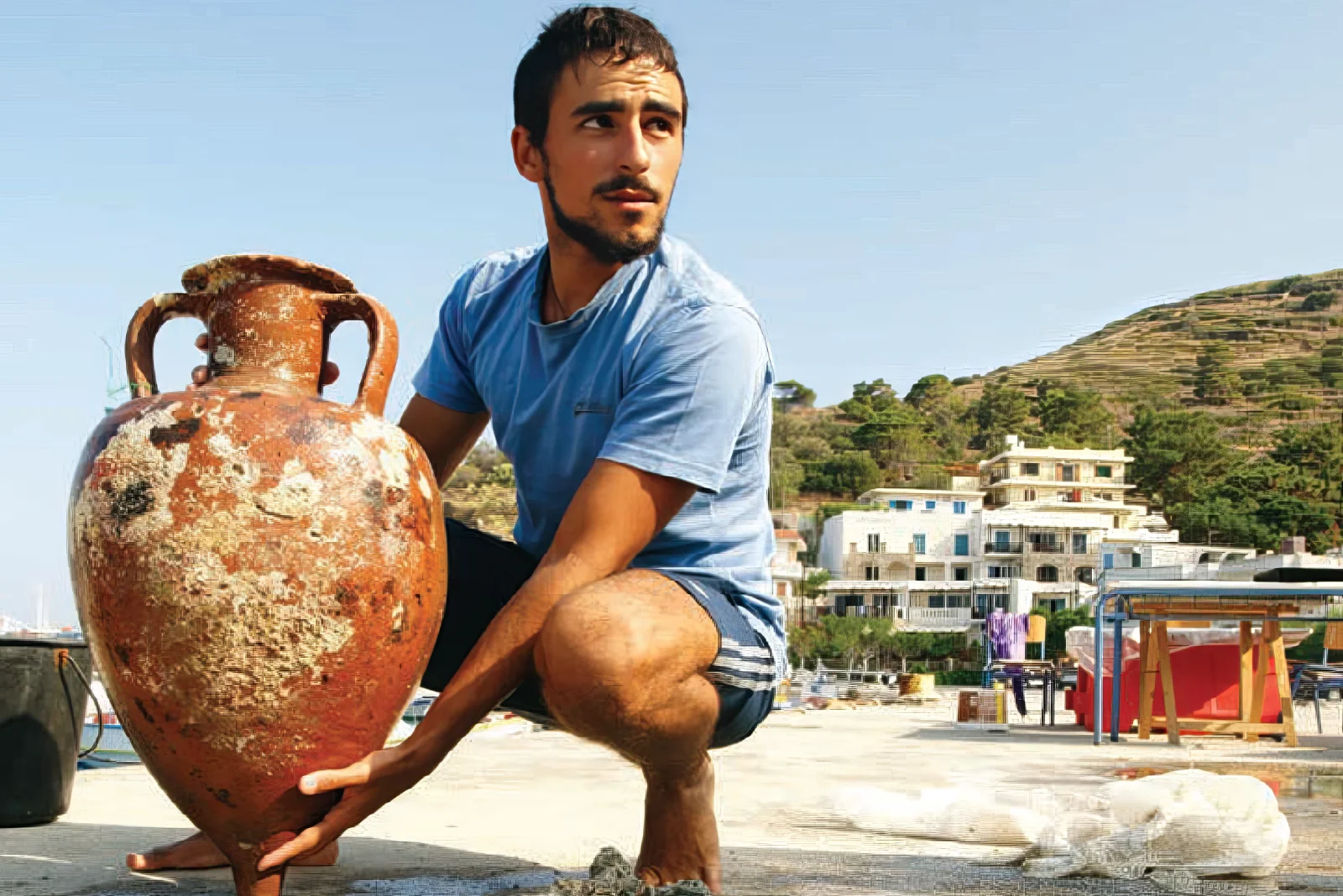
Beneath the tranquil, yet dangerous waters of the archipelago of Fournoi lie remnants of a rich and diverse past – archaeological material and artifacts that whisper tales of civilizations long gone.
These submerged treasures, often shrouded in mystery and preserved in an aquatic environment, present a unique challenge for conservationists seeking to preserve their fragile beauty and unlock their historical significance.
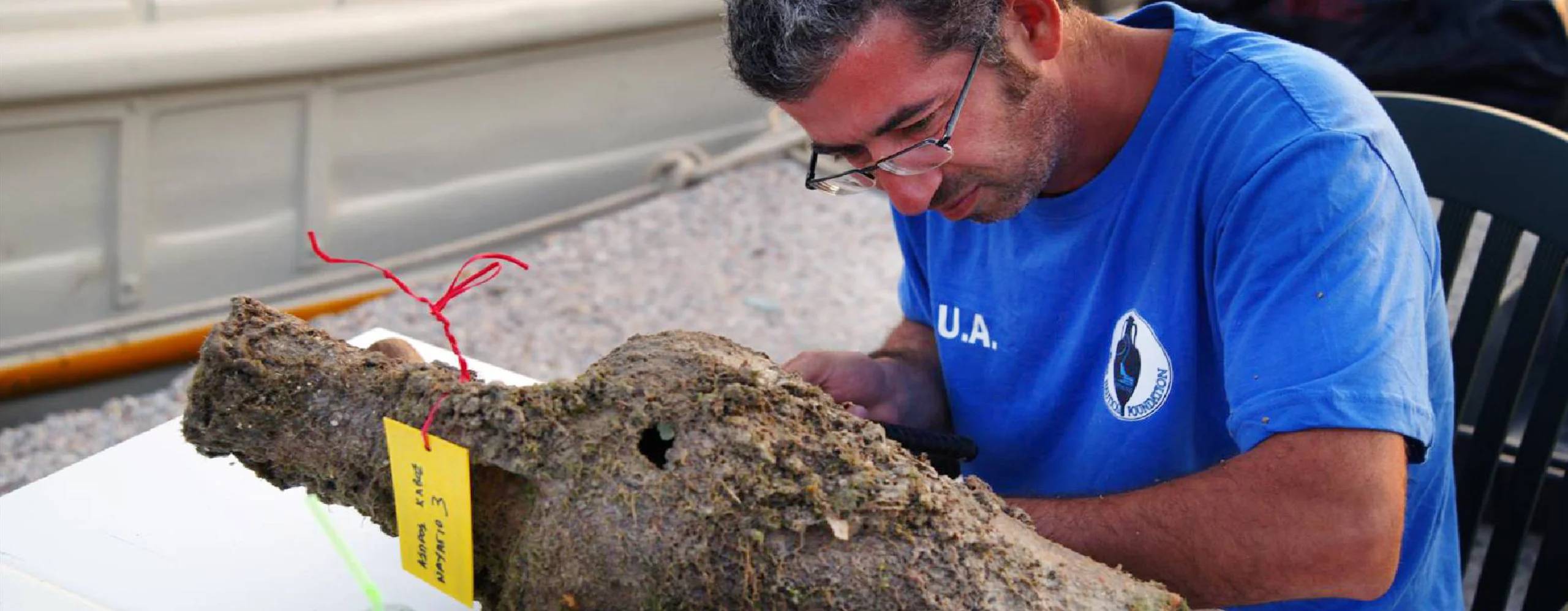
The conservation of underwater antiquities is a delicate and meticulous process that requires a deep understanding of the materials used, the environment they have endured, and the potential threats they may face. Unlike terrestrial artifacts, underwater treasures are subjected to a complex interplay of factors, including water pressure, temperature fluctuations, salinity, and the presence of marine organisms.
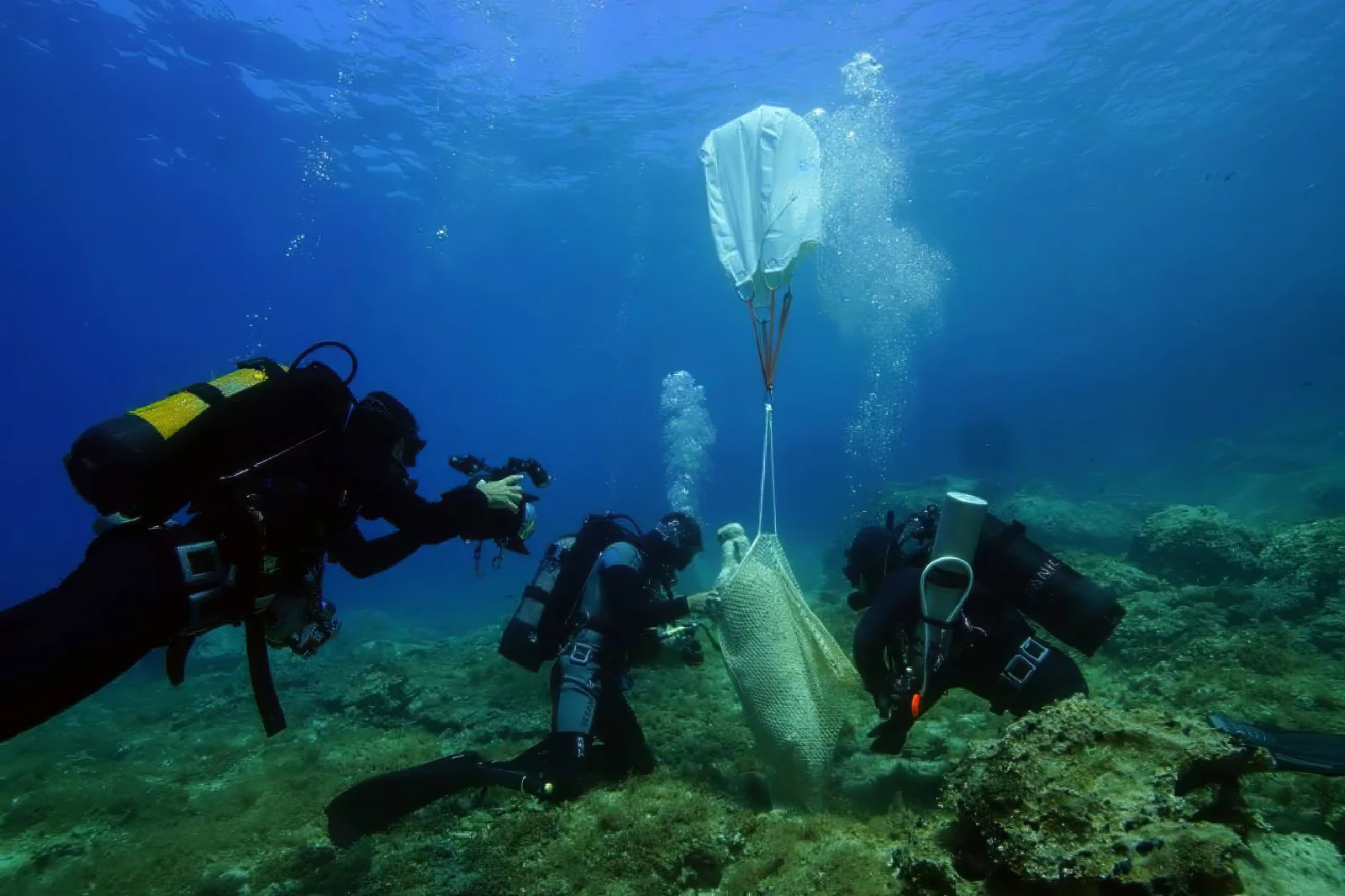
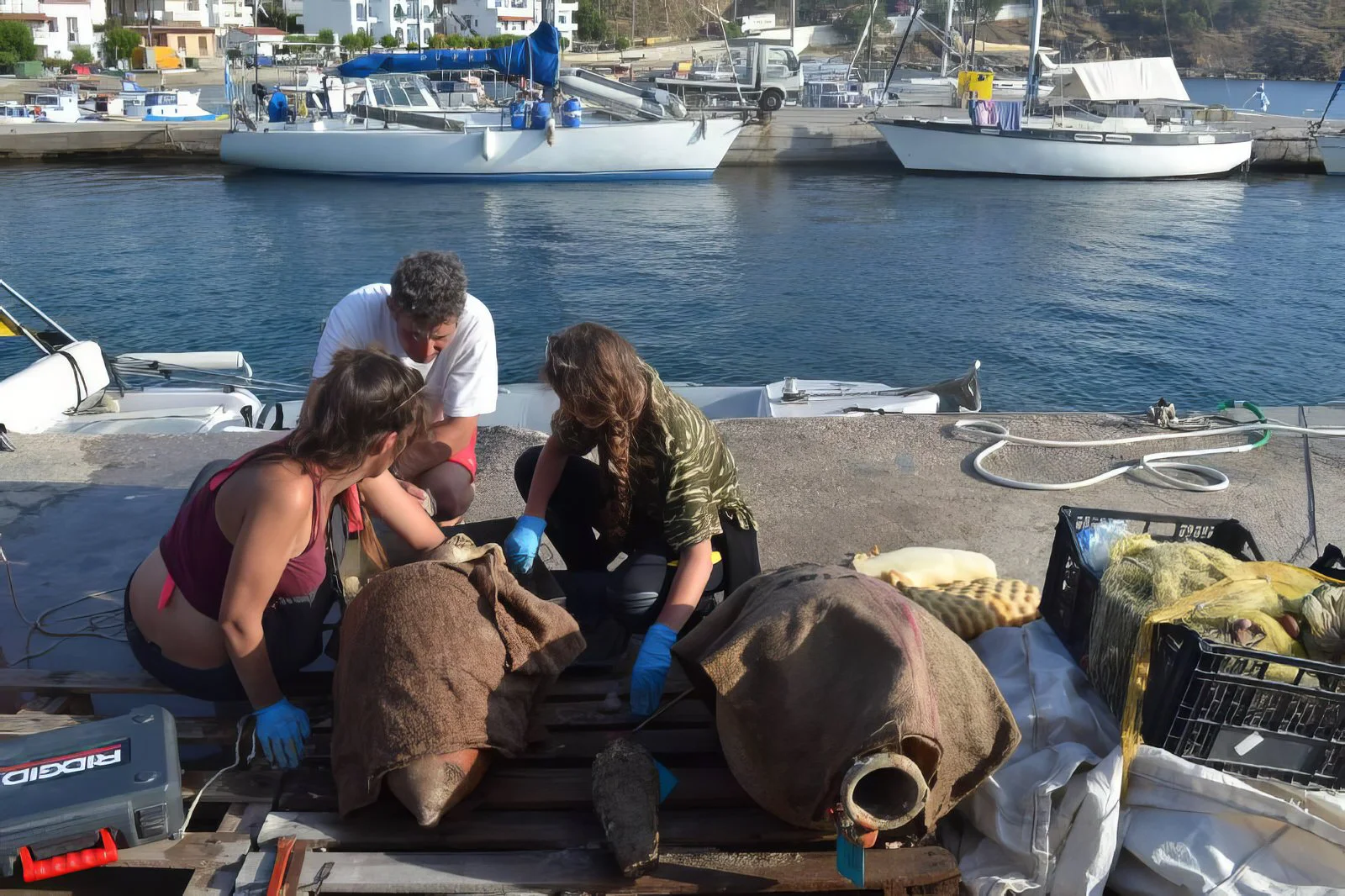
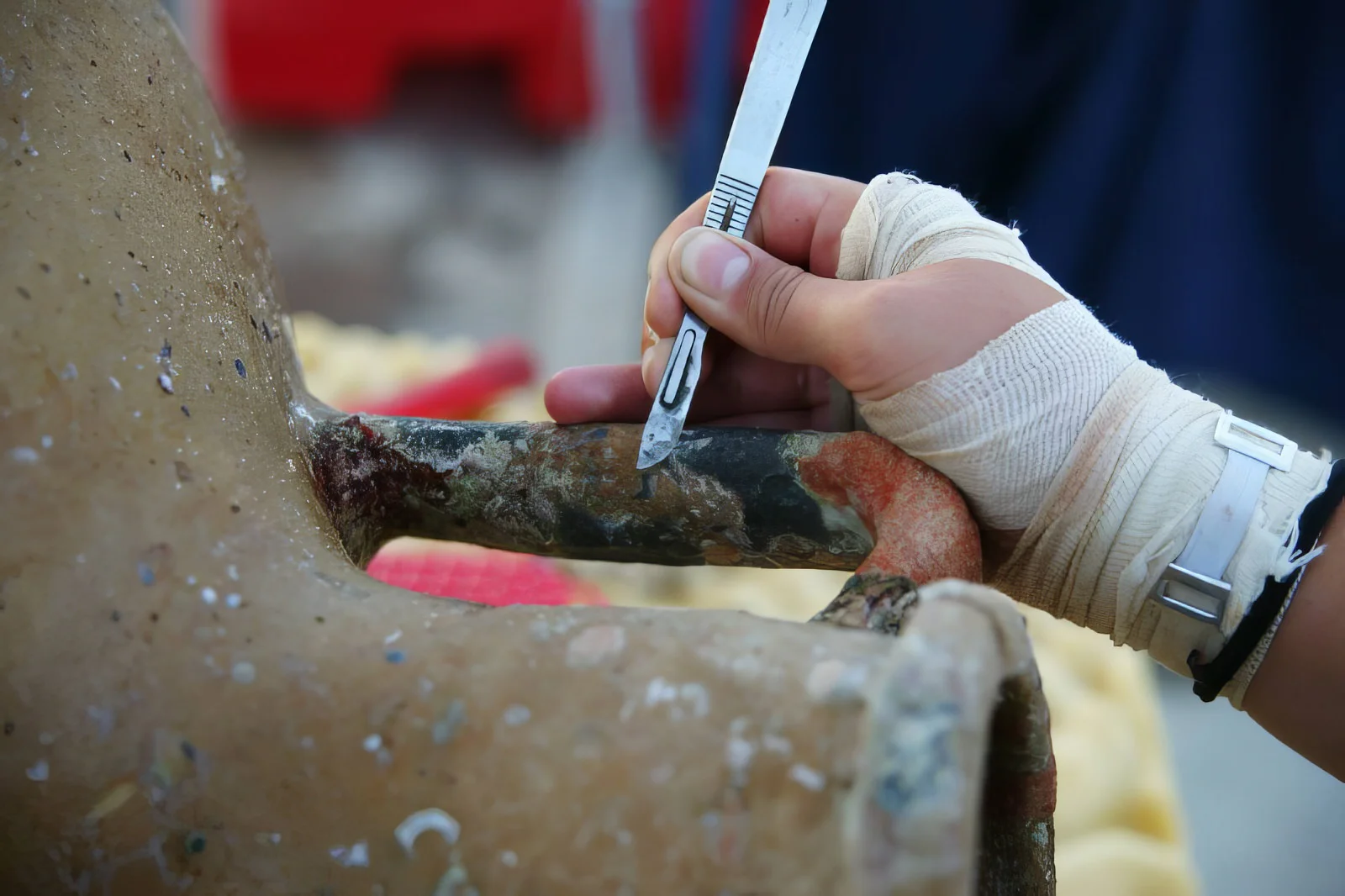
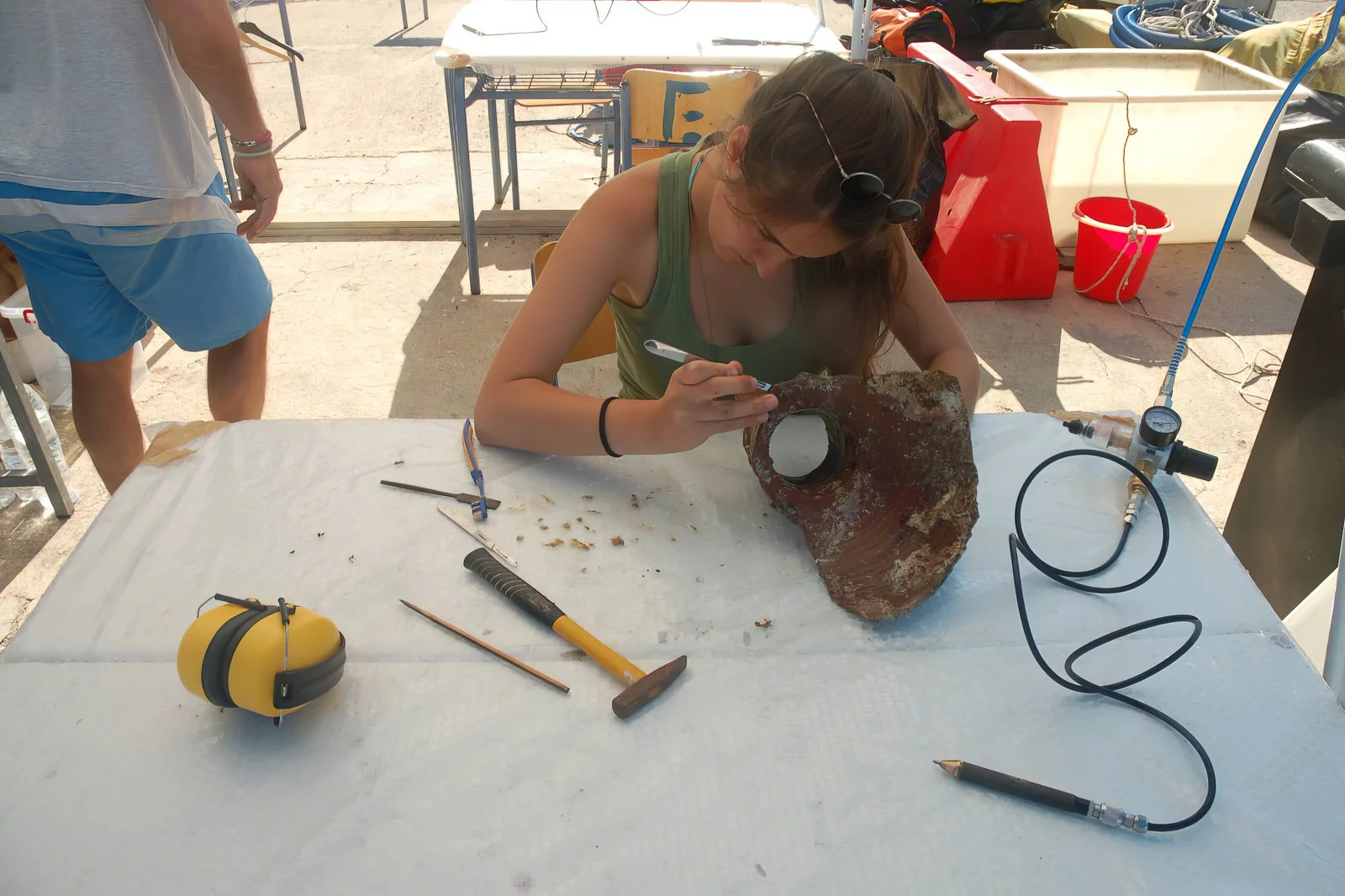
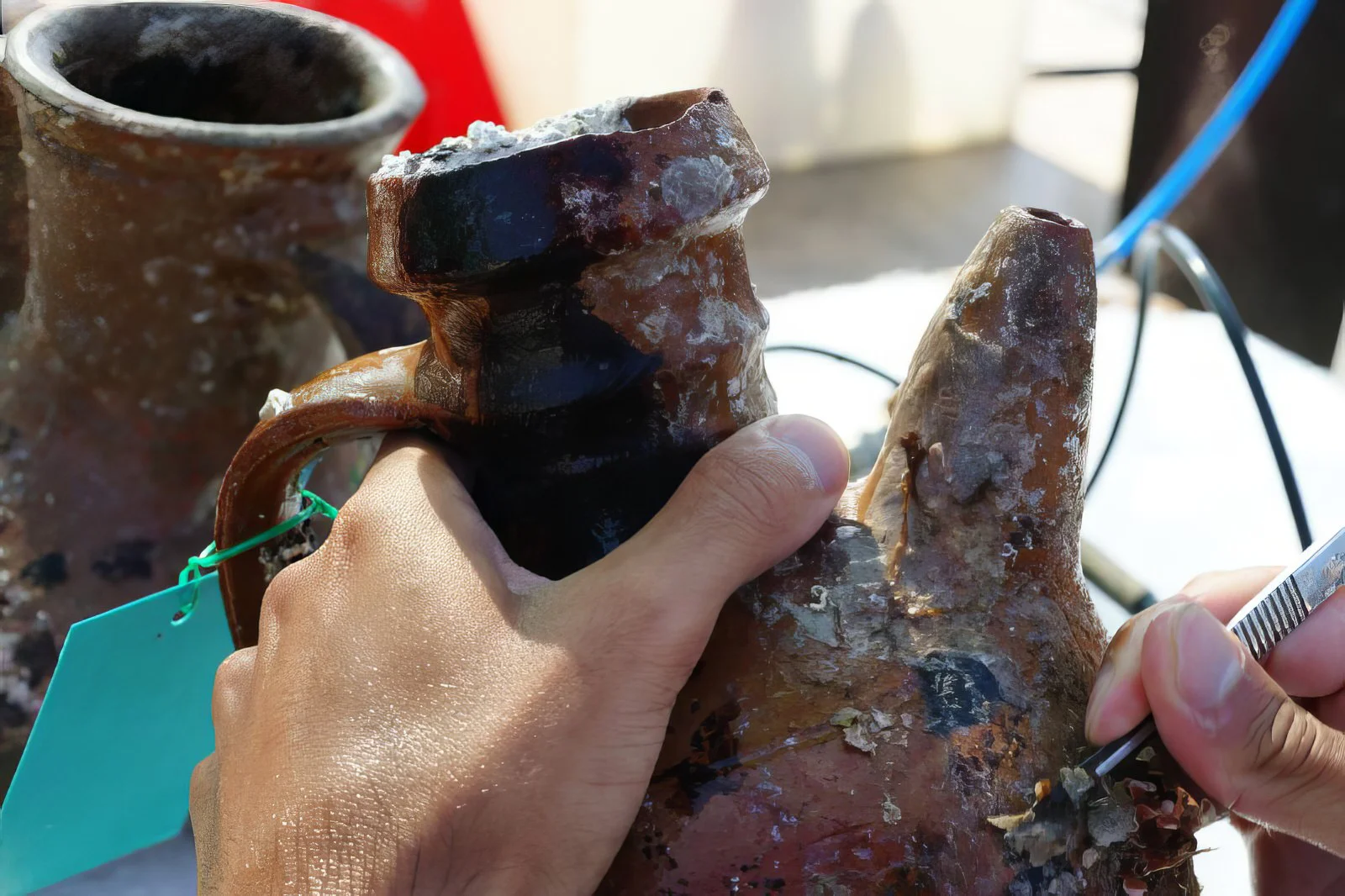
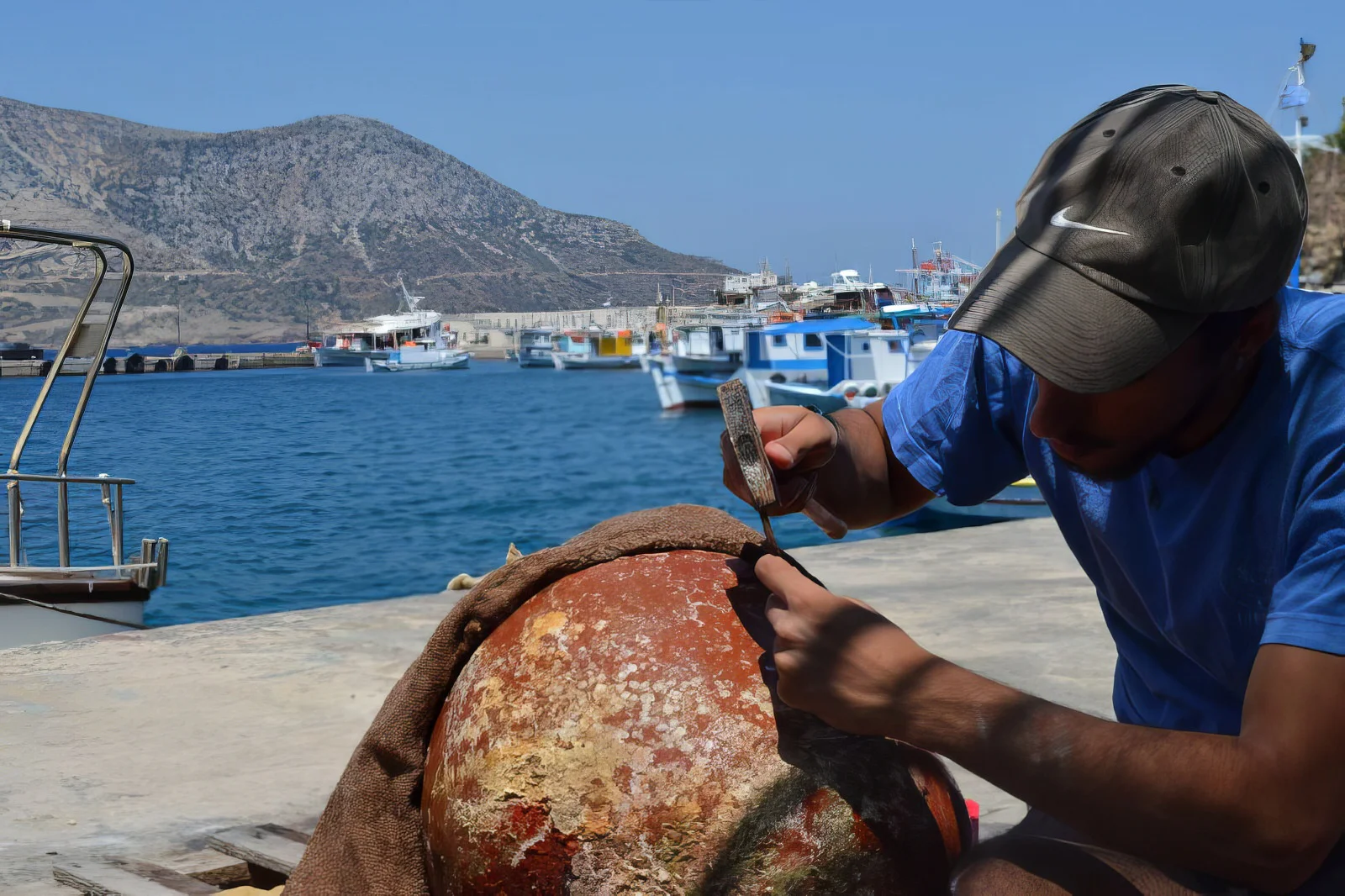
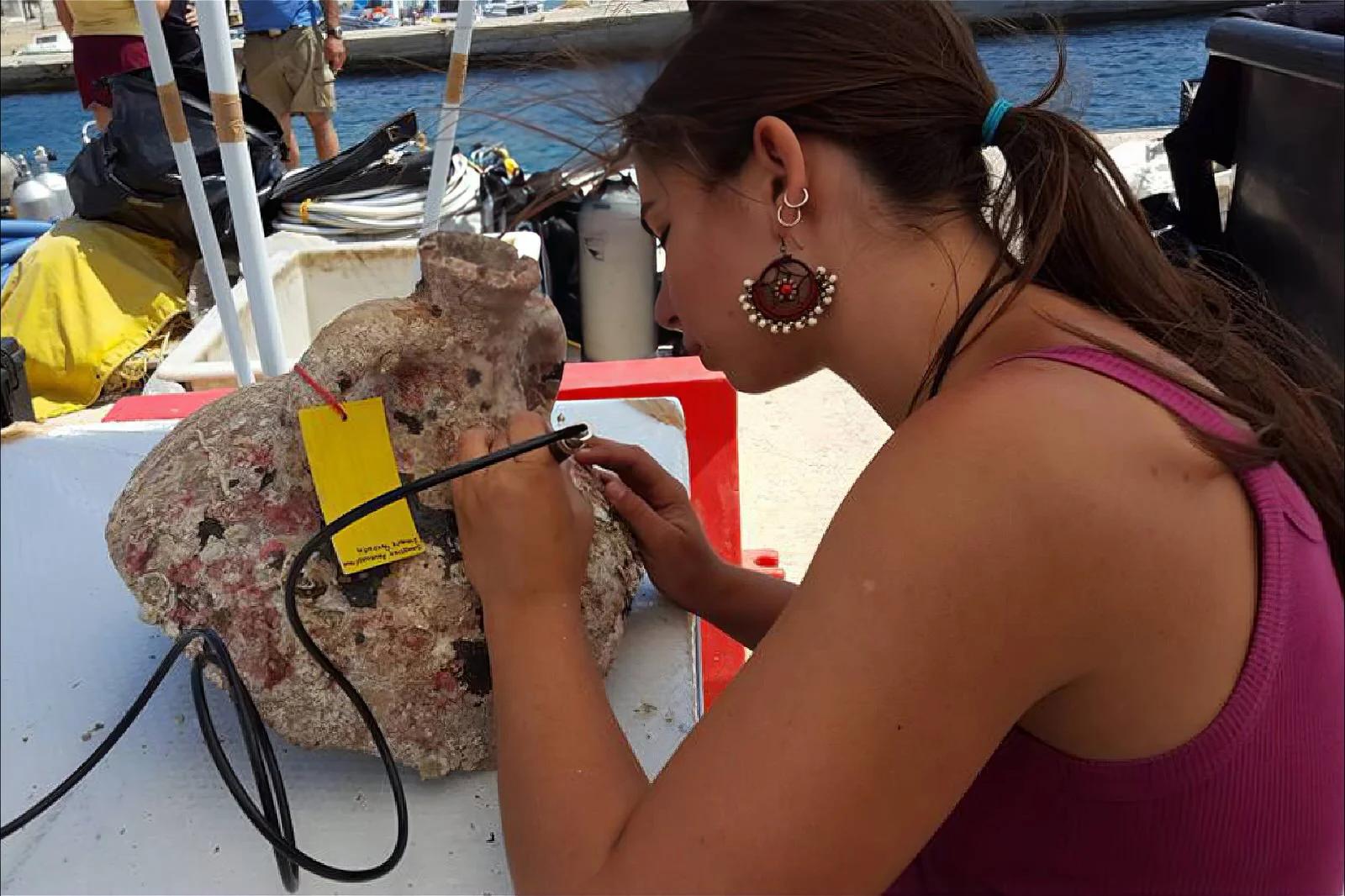
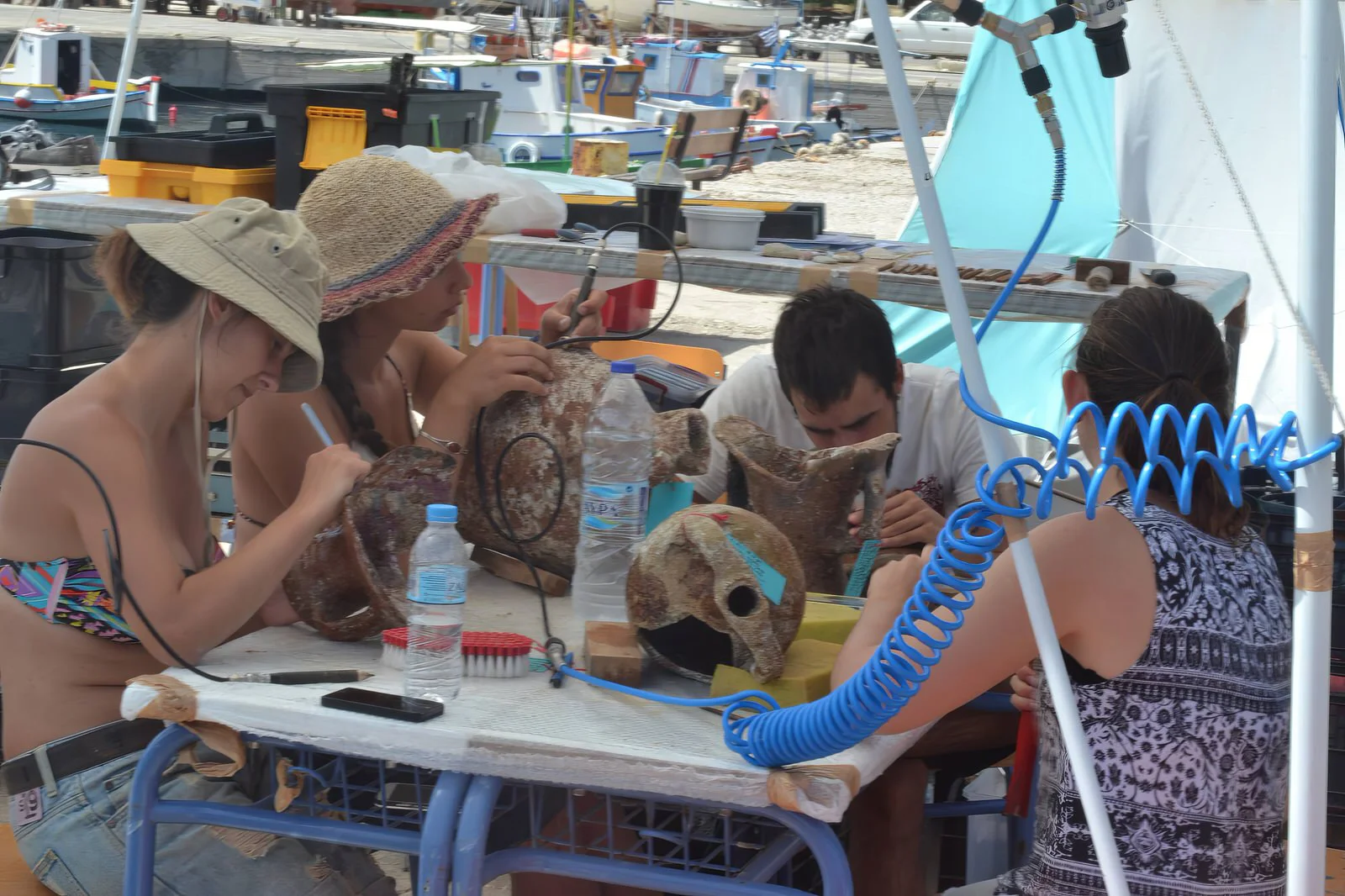
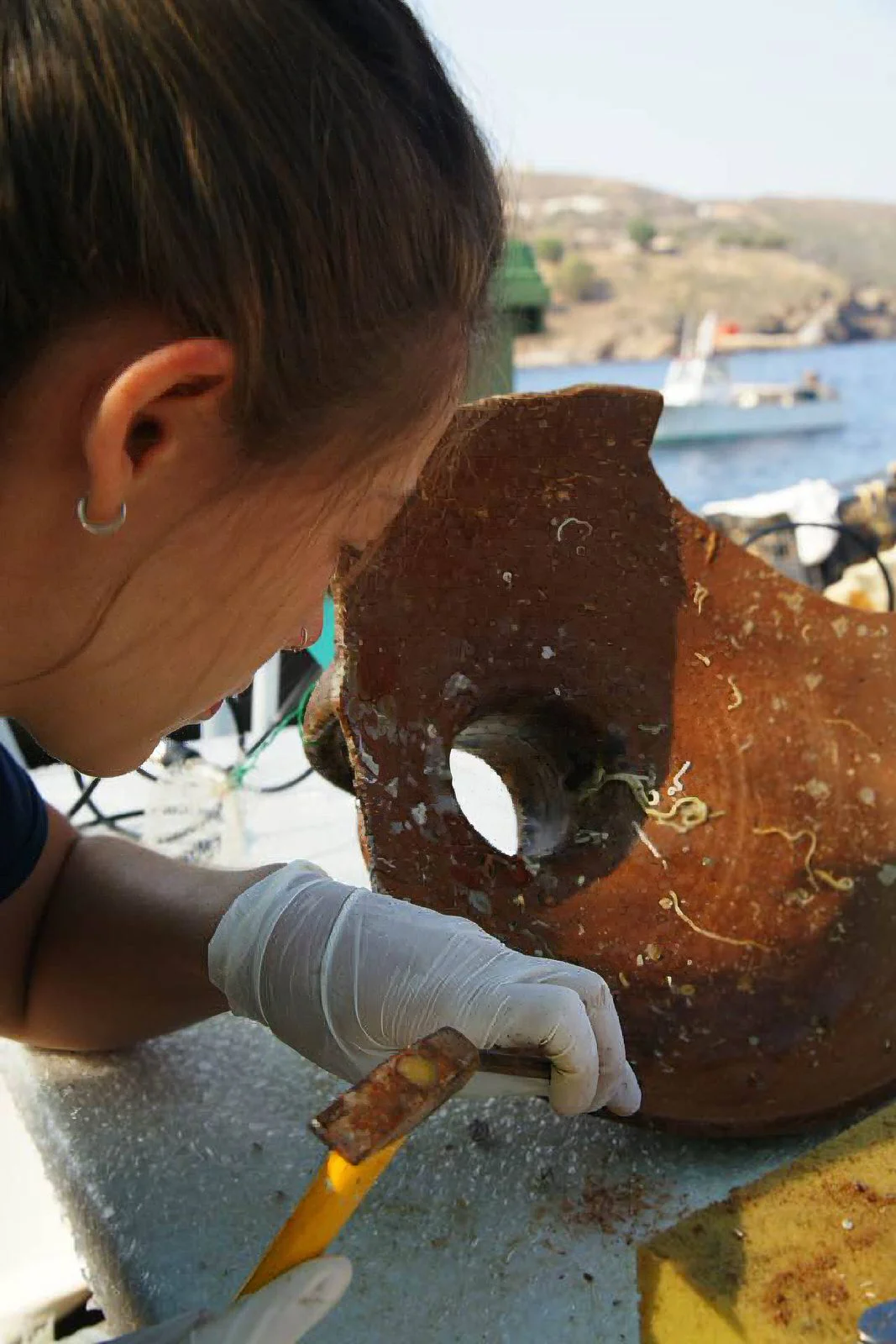
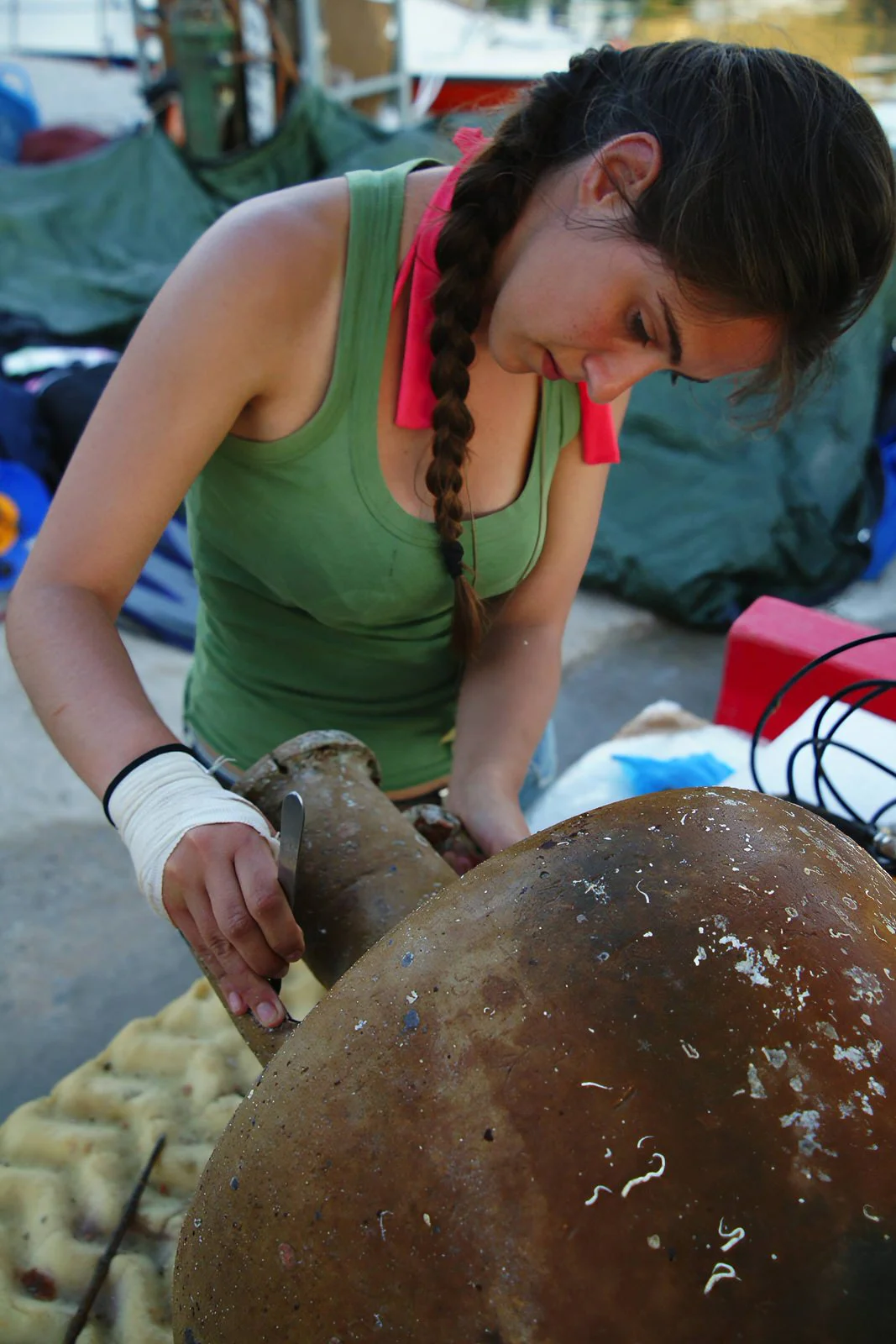
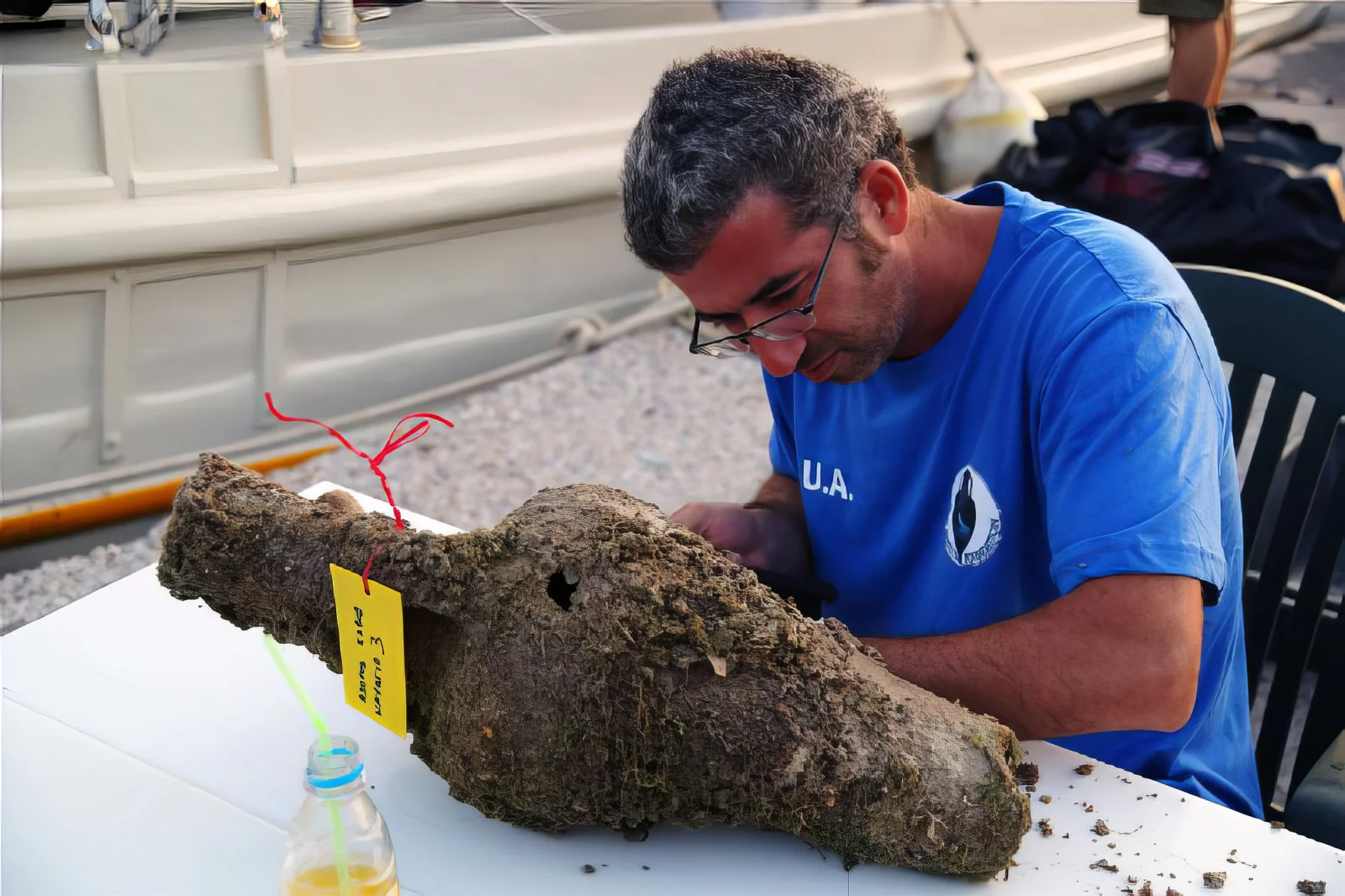
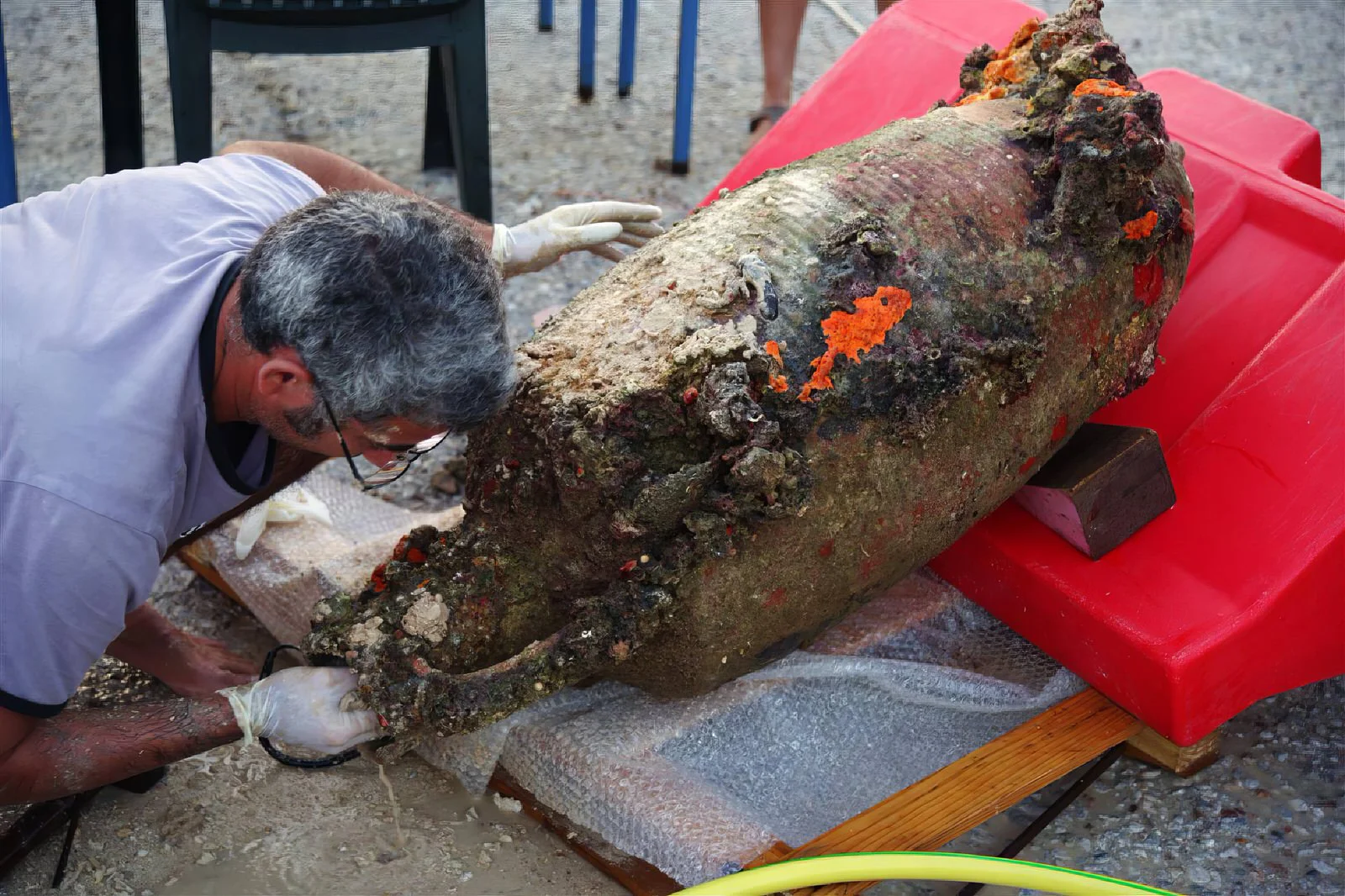
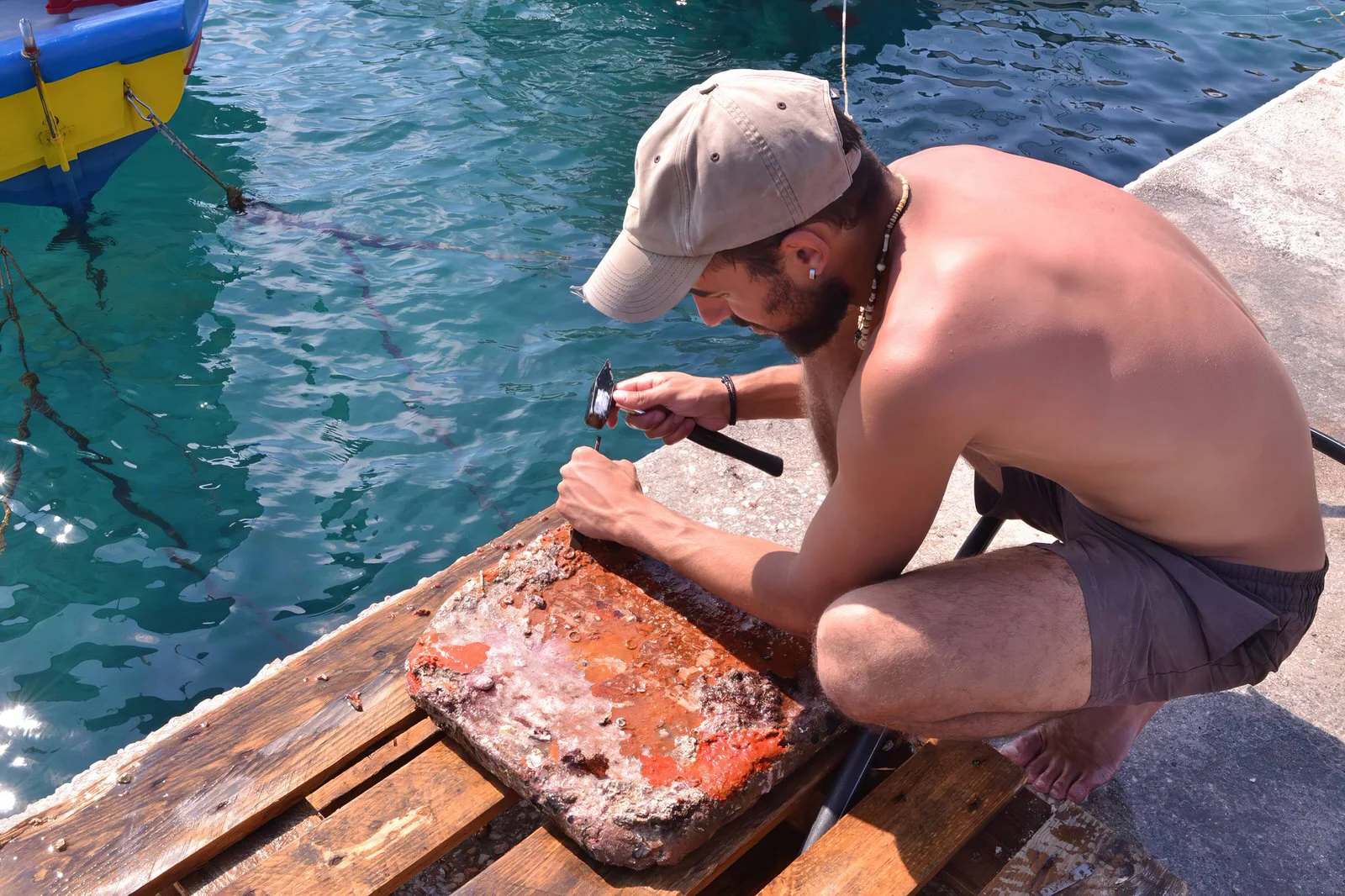
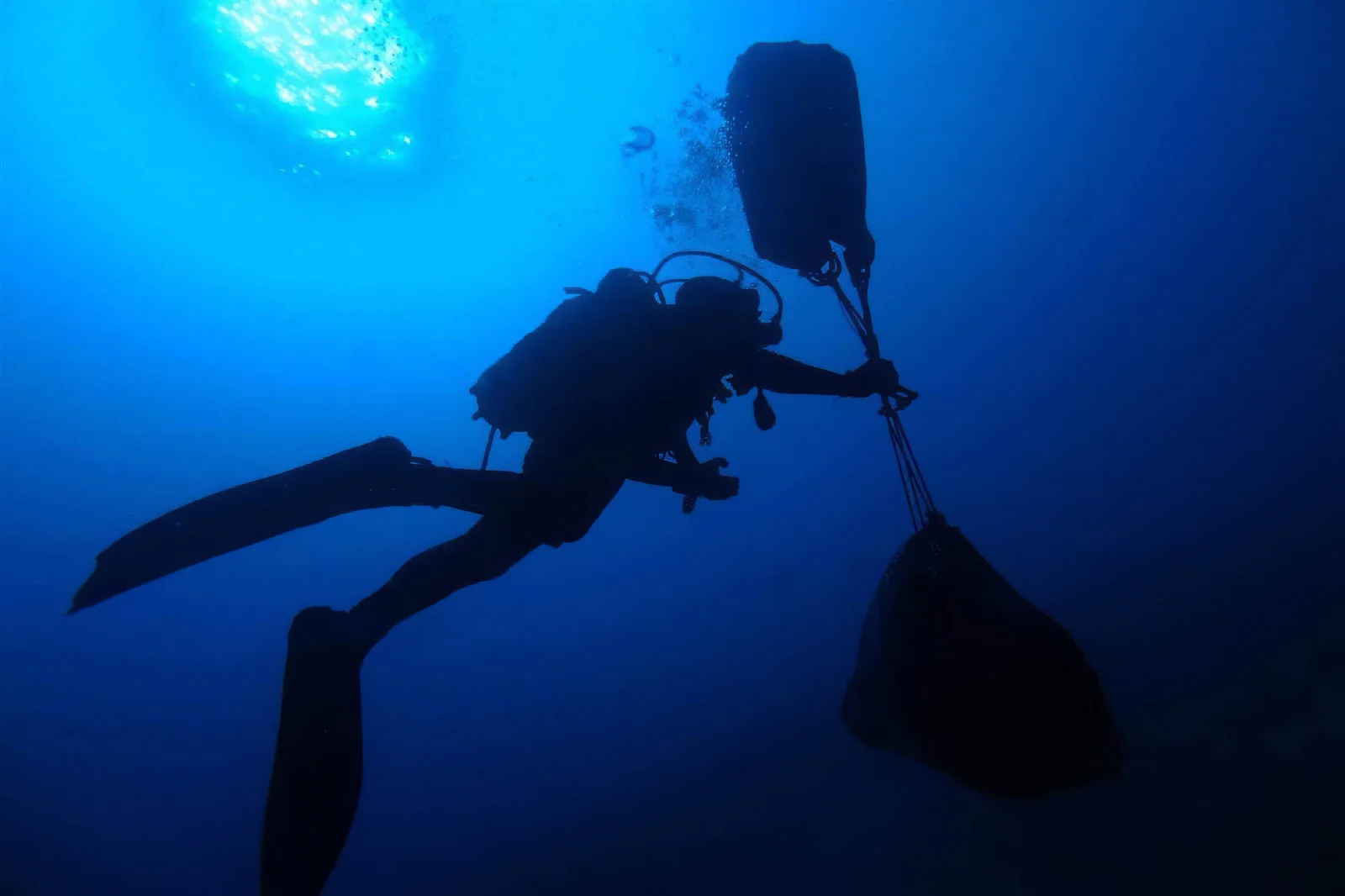
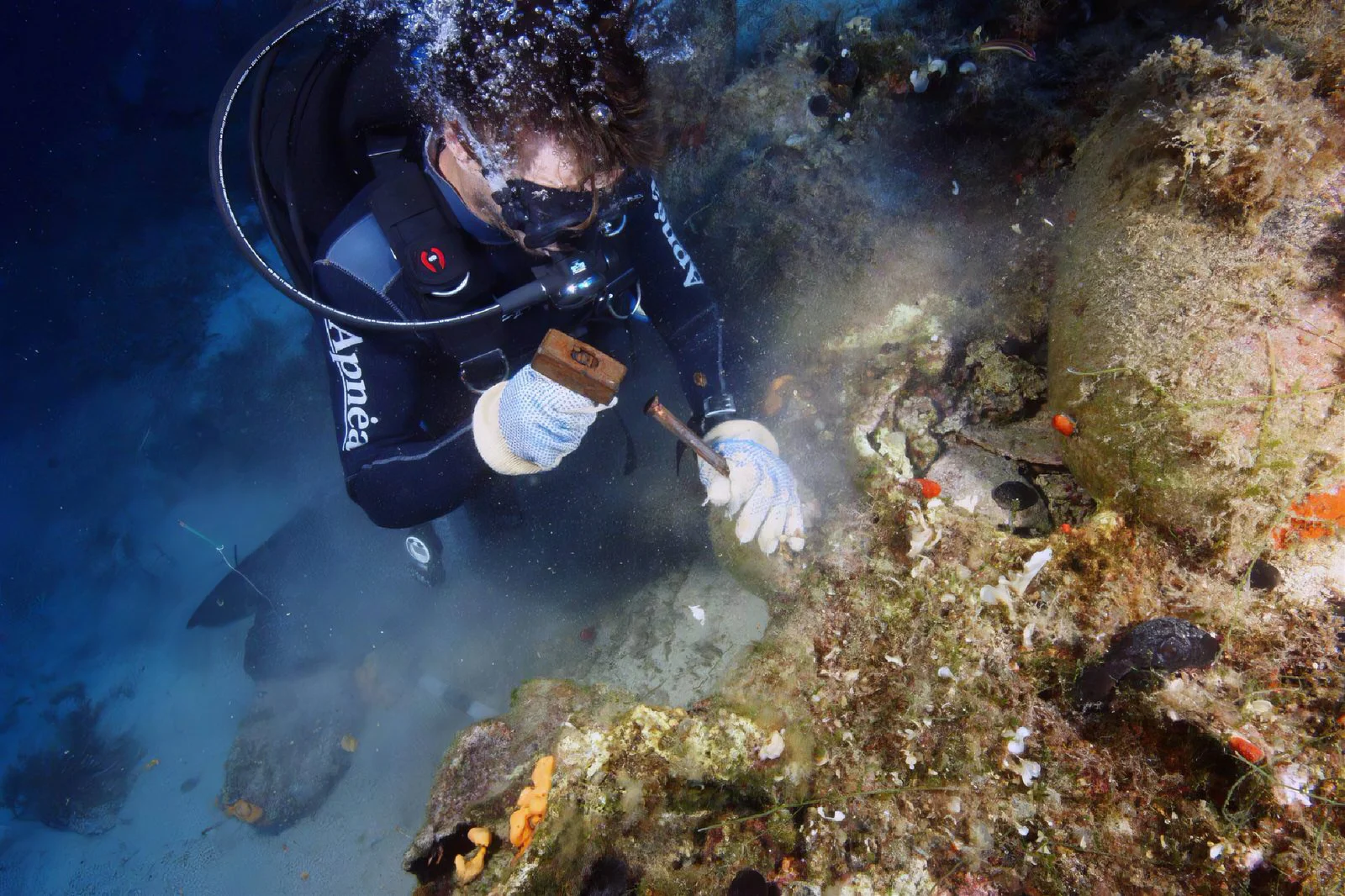
Conservators employ various techniques to address these challenges, from stabilizing fragile materials to removing marine growth and preserving delicate details. They use specialized equipment, such as underwater lifting bags and transport containers, to minimize further damage during retrieval and transportation.
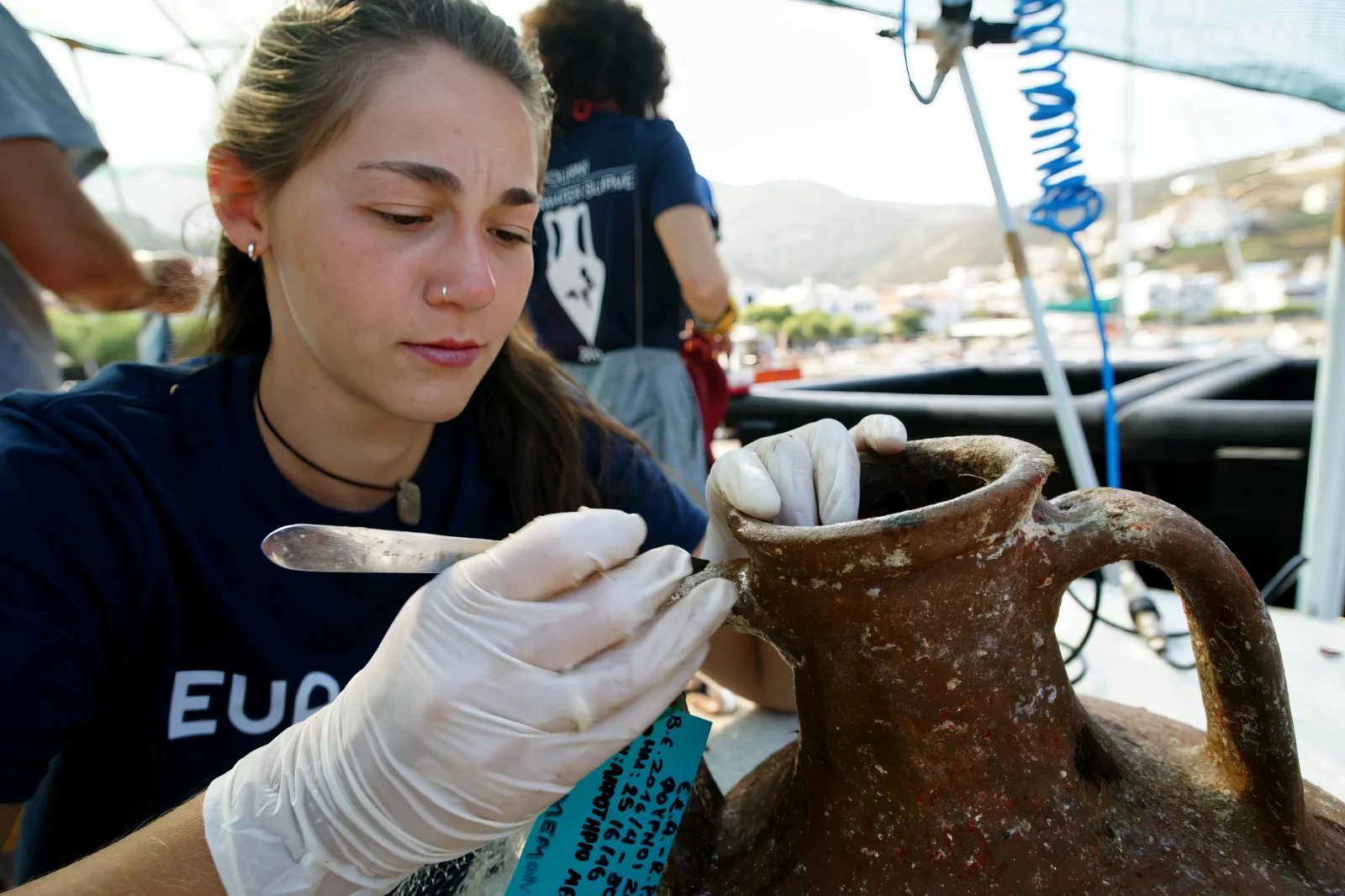
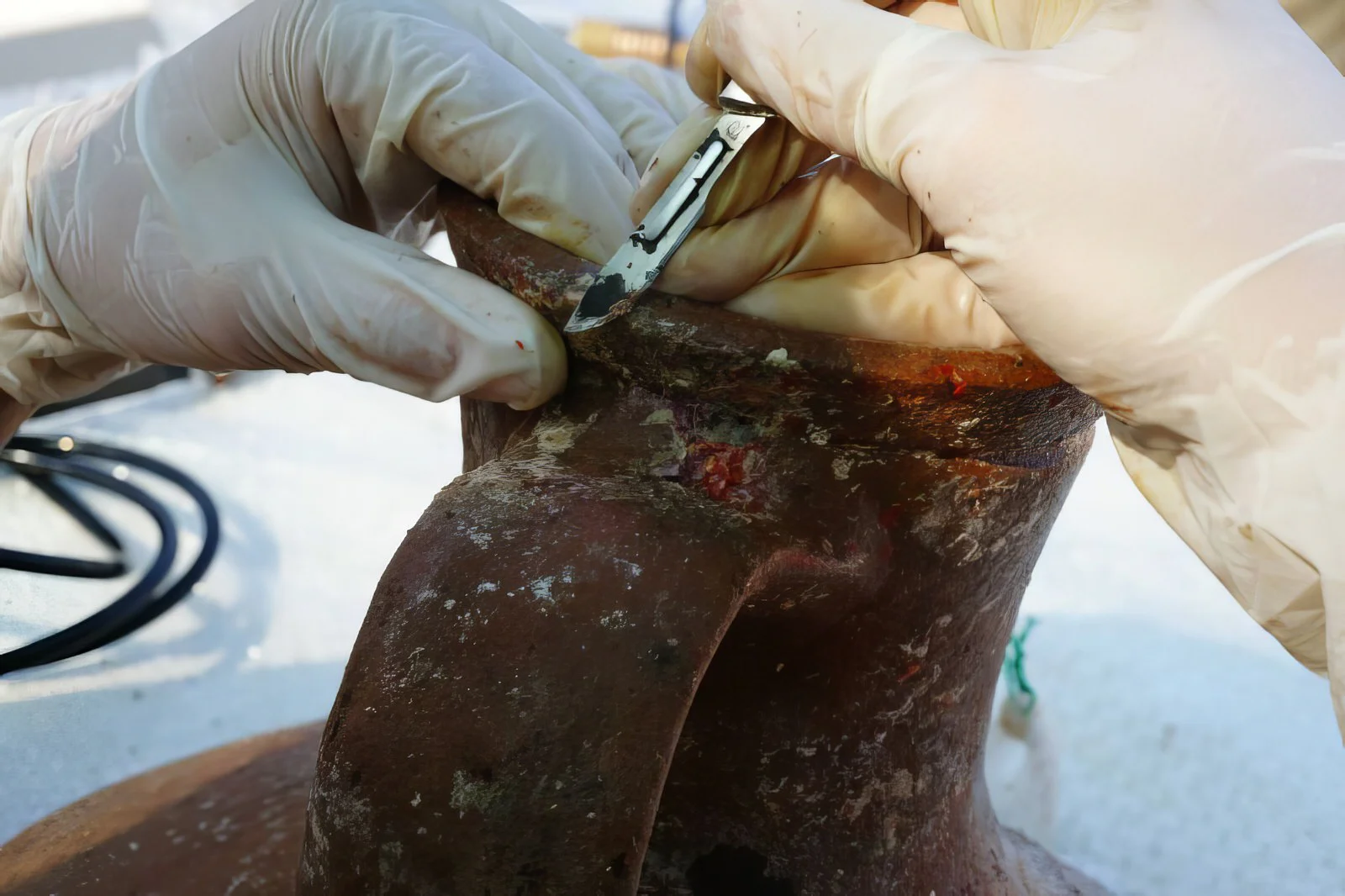
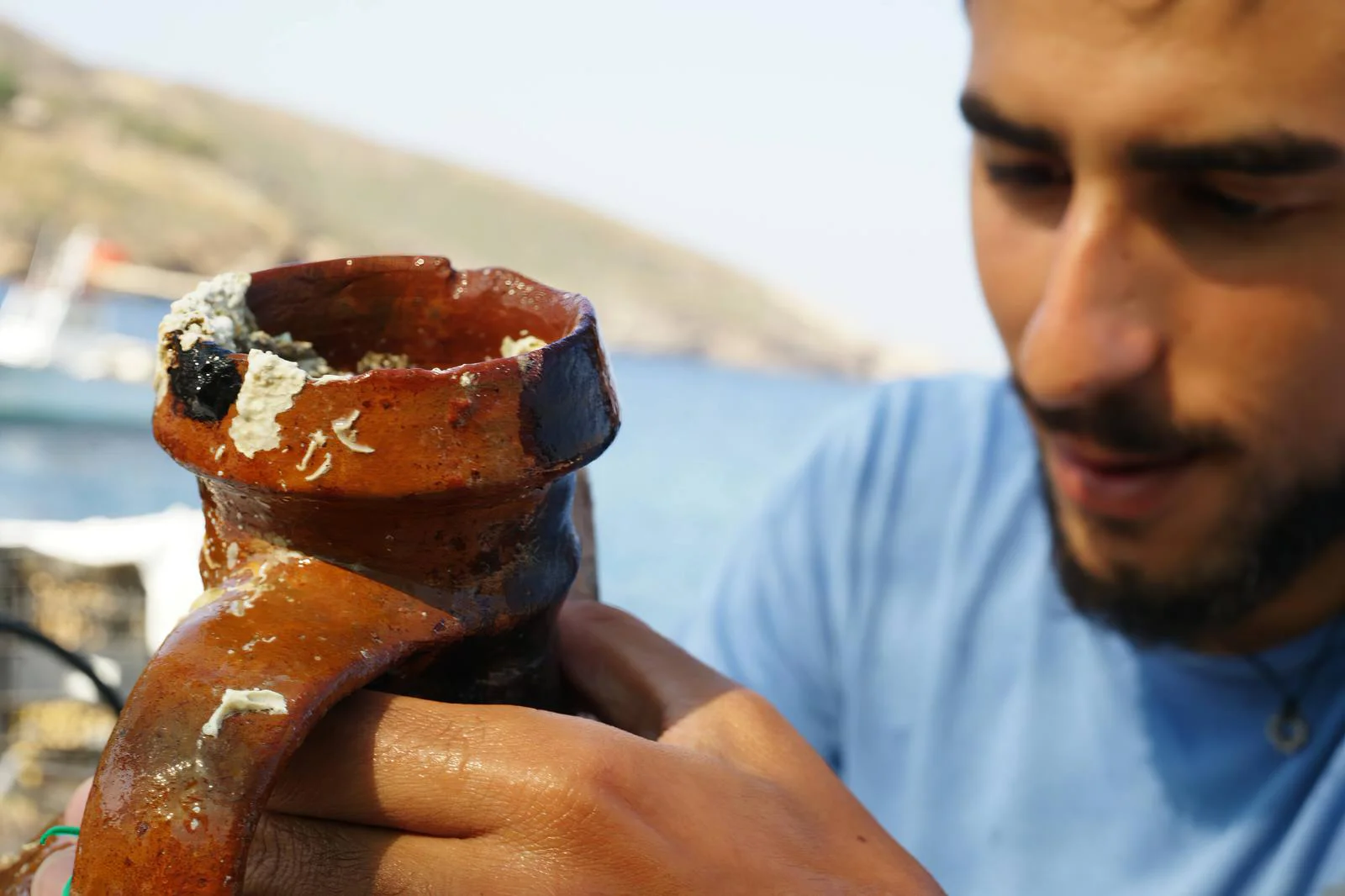
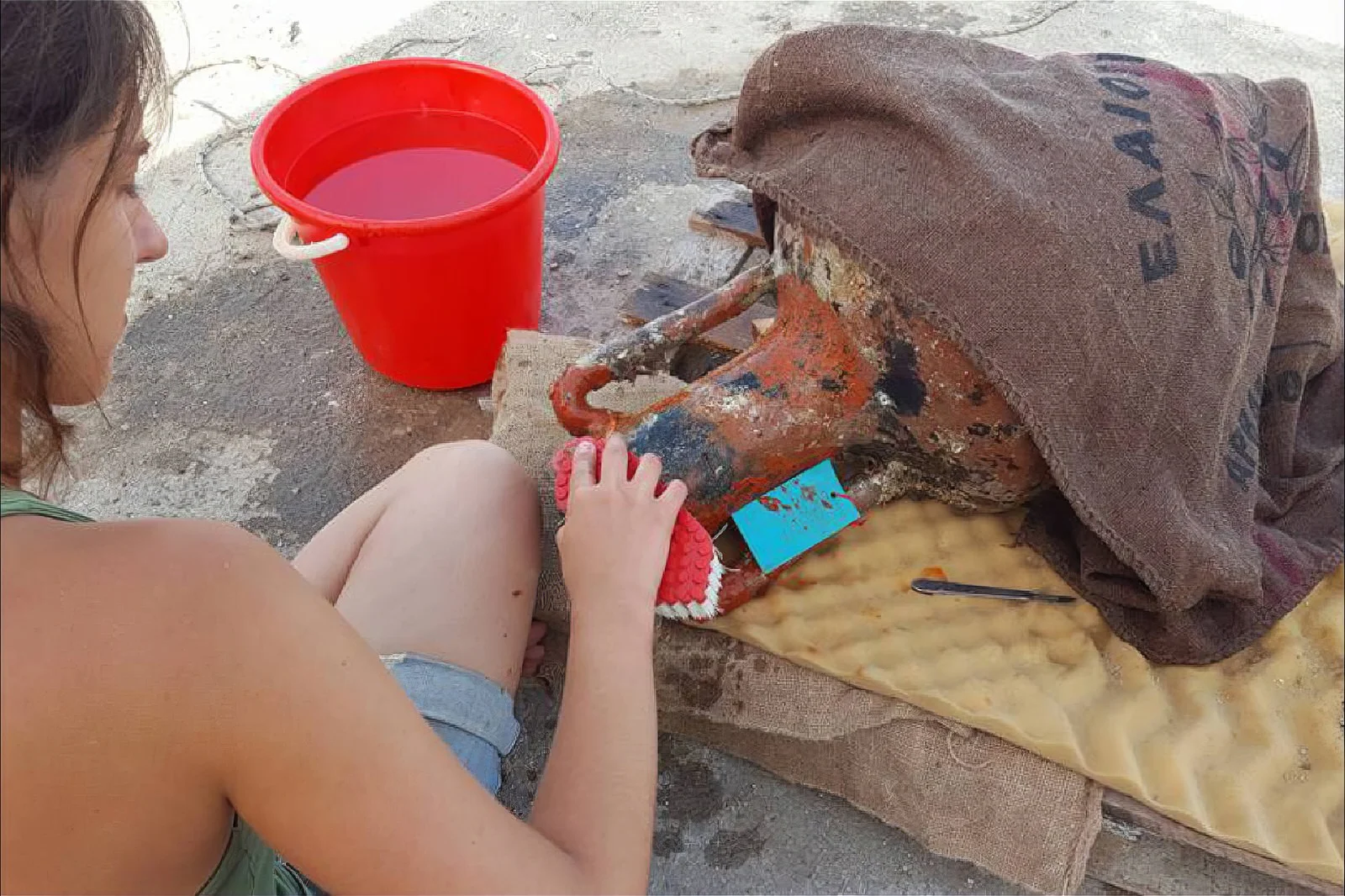
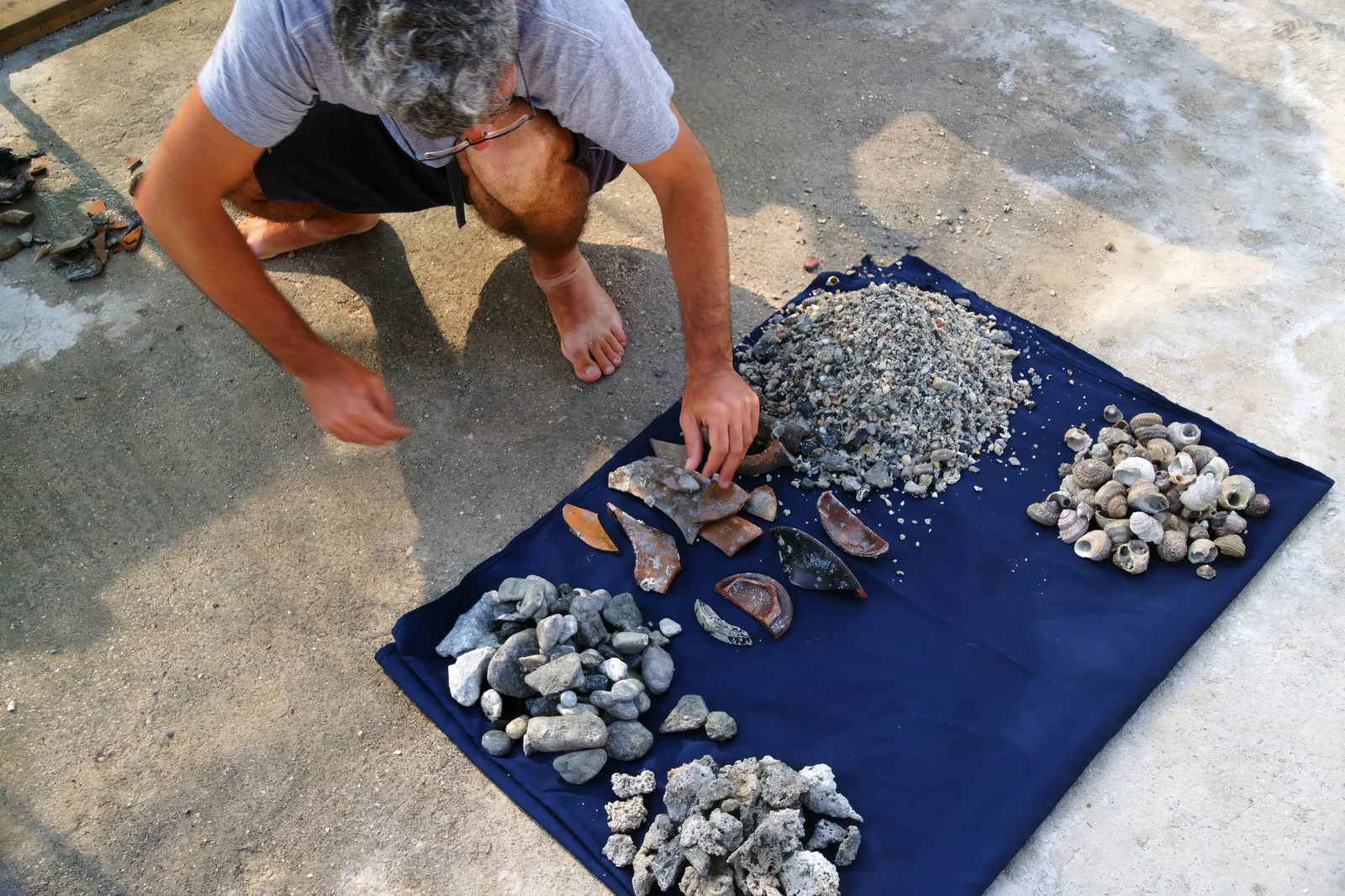
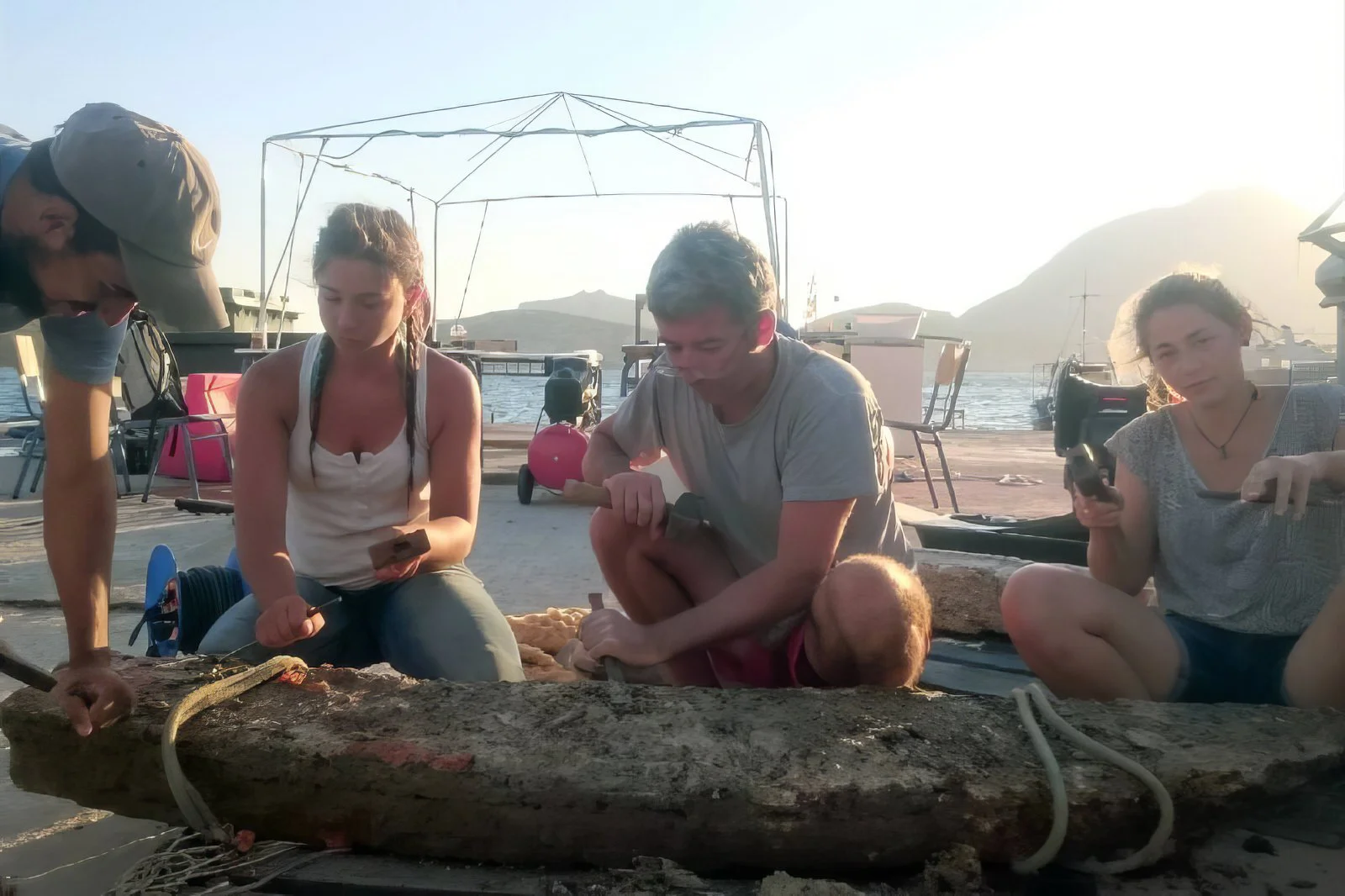
Once ashore, the conservation process intensifies. Artifacts may undergo thorough cleaning, desalination, and stabilization, followed by specialized treatments tailored to their specific needs.
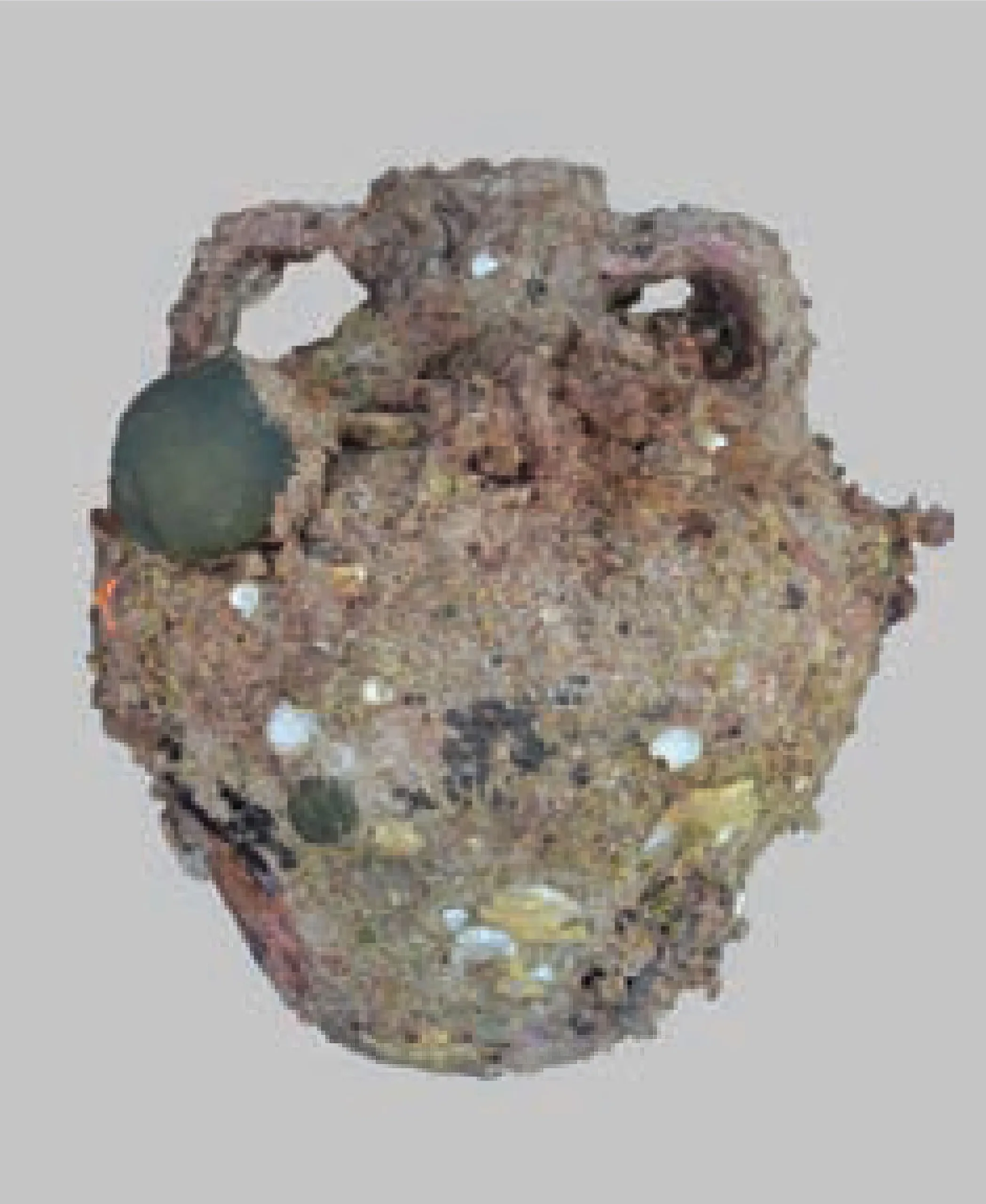
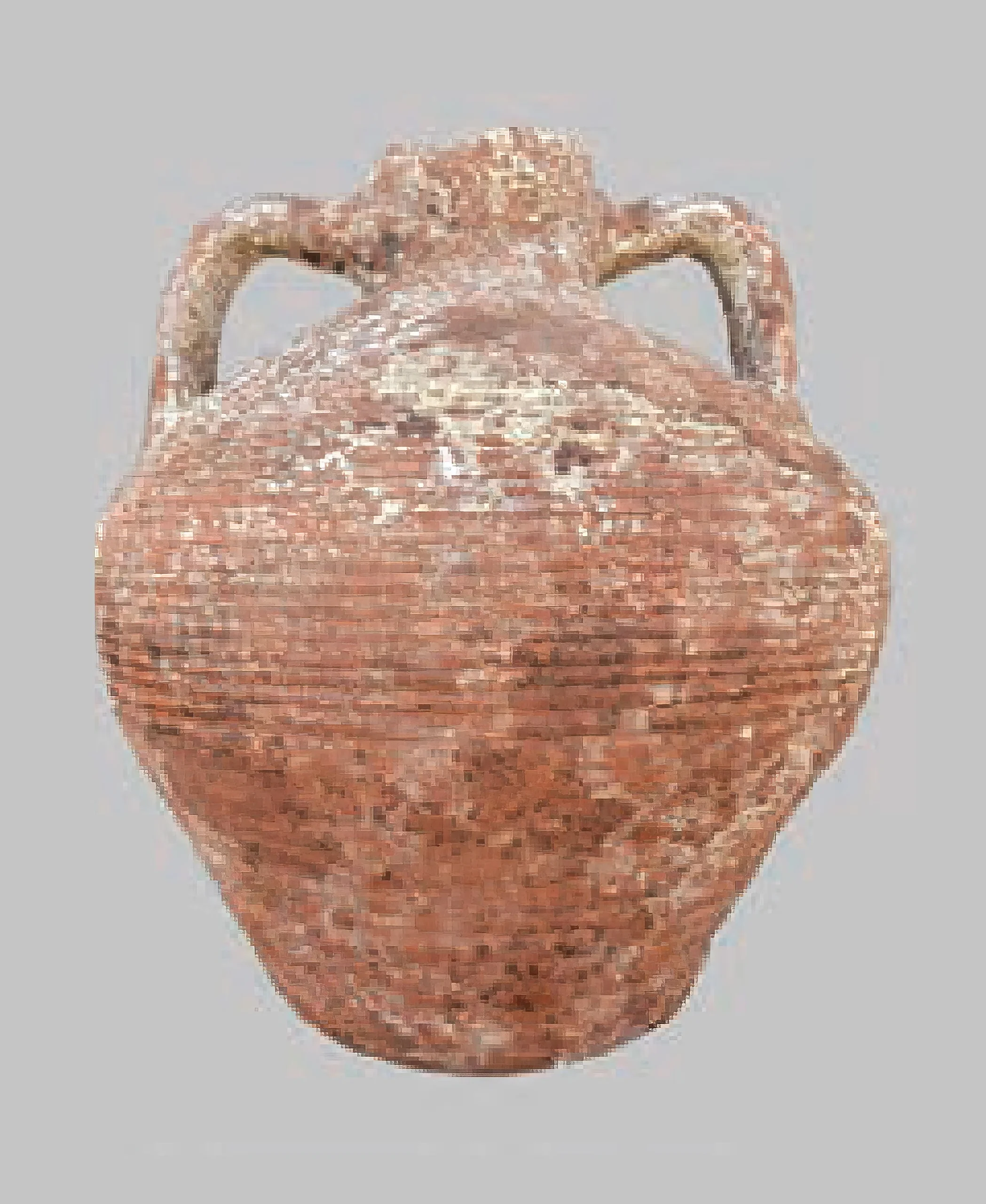
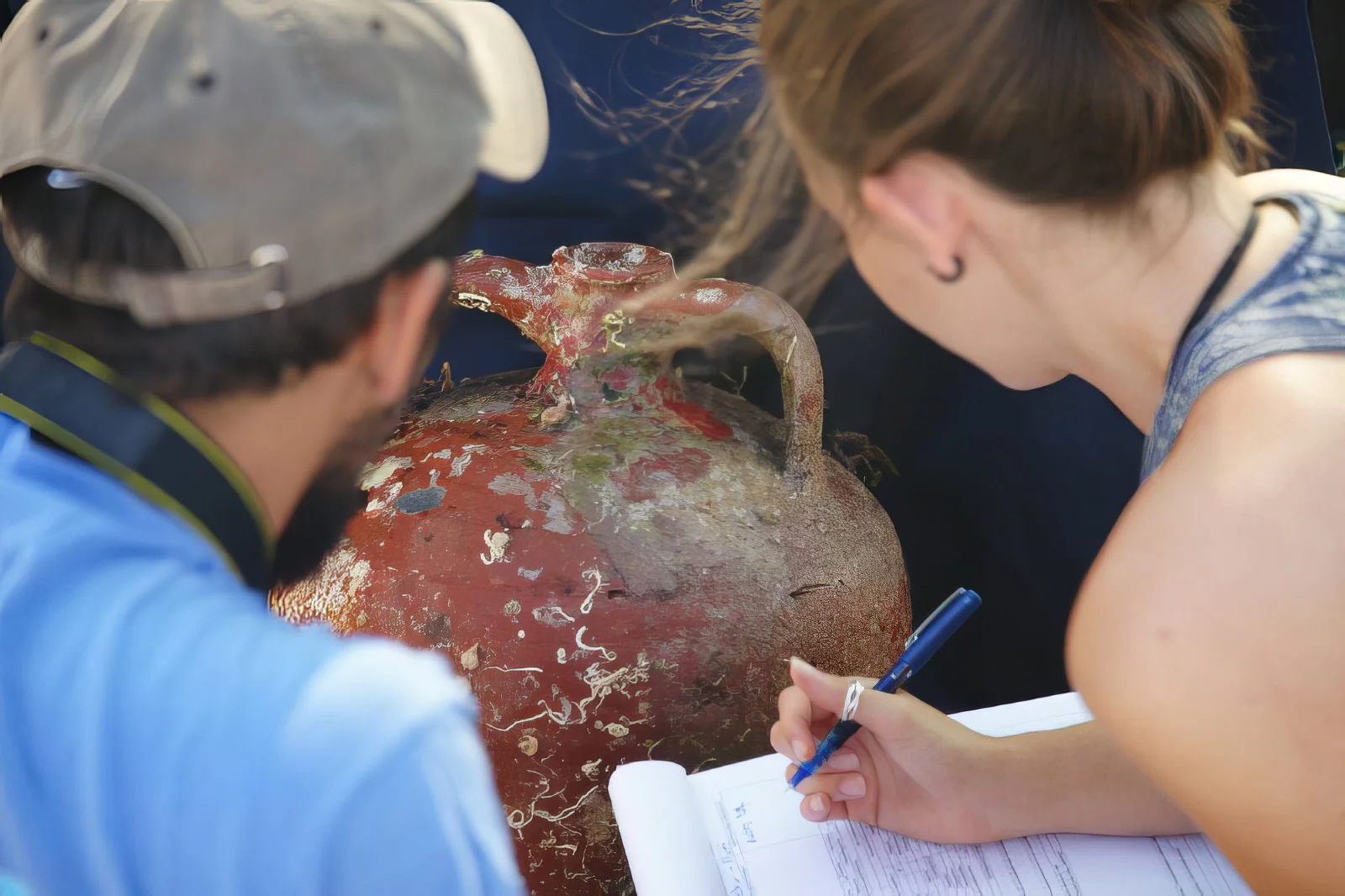
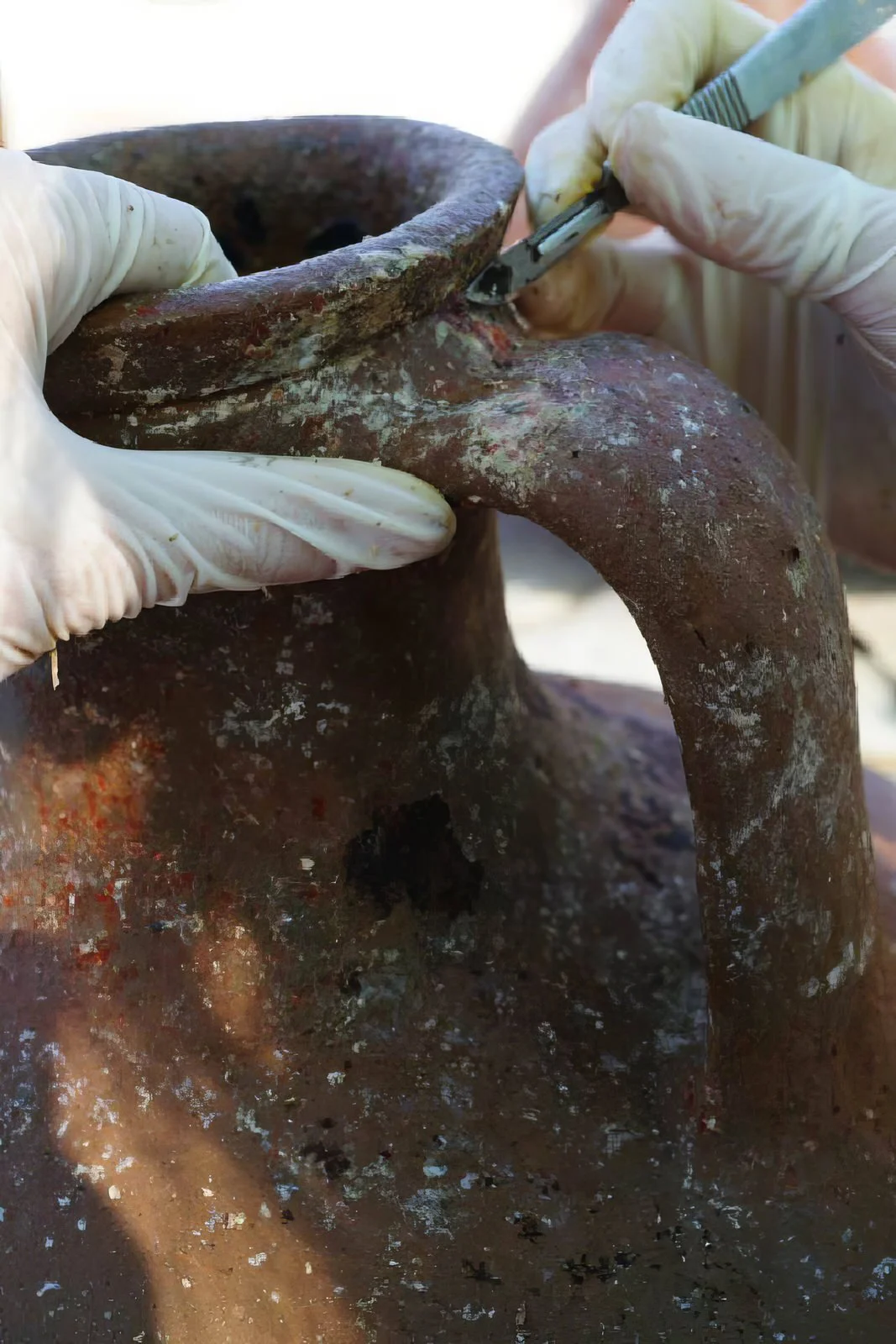
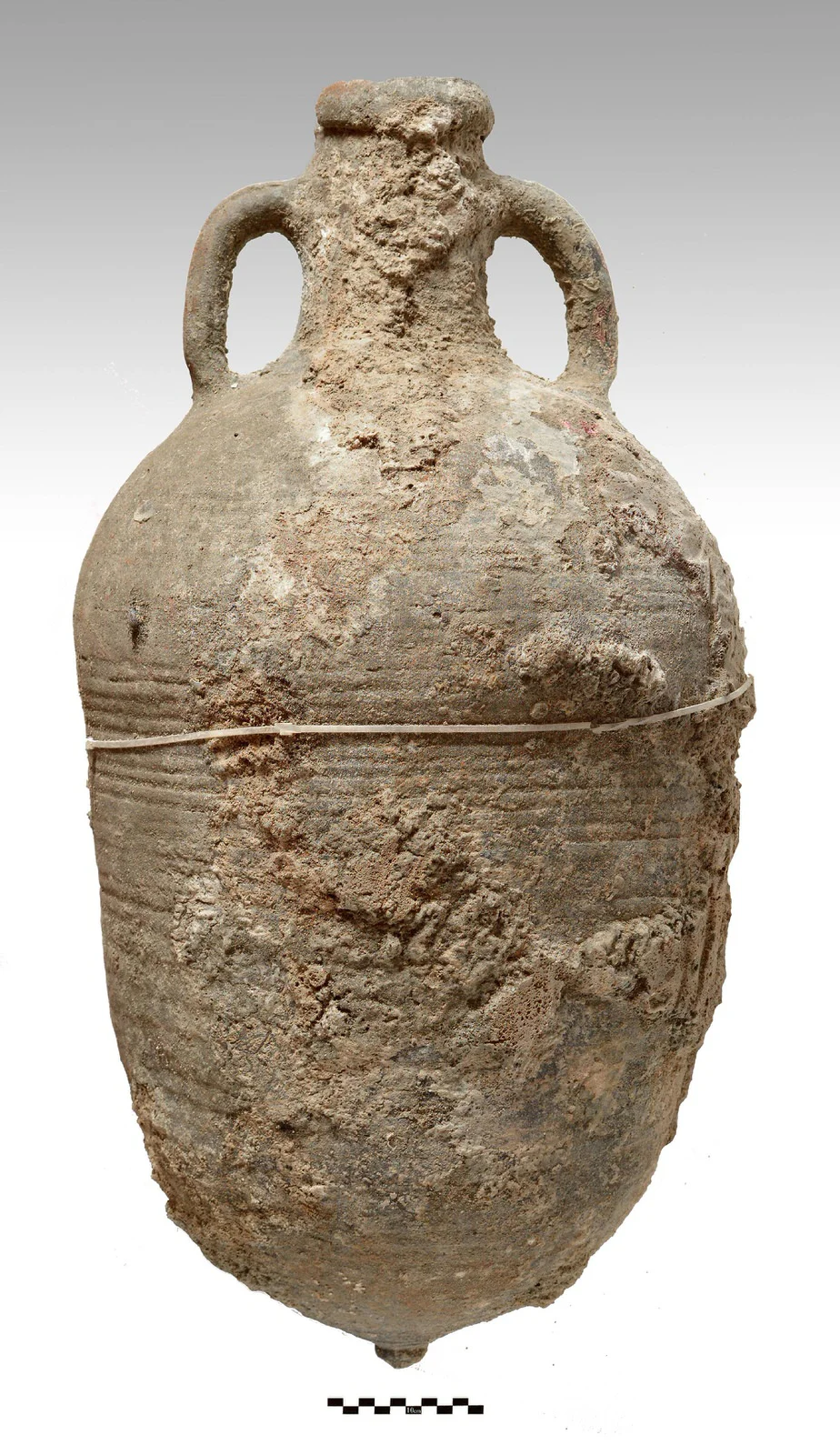
An early medieval amphora, 9-11th century A.D., before and after cleaning
The conservation of Fournoi’s underwater antiquities is not merely about preserving physical objects; it is about safeguarding a link to our past, fostering a deeper understanding of human history, and inspiring future generations. By carefully preserving these submerged treasures, we illuminate the stories they hold, ensuring that their voices continue to resonate from the depths of time.

Scientific Publications
Korseai’s Collection of Scientific Publications in Conservation
